 Alexis Doreau
Toongether / AI · CREATIVE TOOLS
From an idea
to a story of your own.
Helping people turn an imagined world into characters, scenes and stories others can read.
Product thinking · Creative journeys · Editor & design system
Generative AI, creation & reading
The context
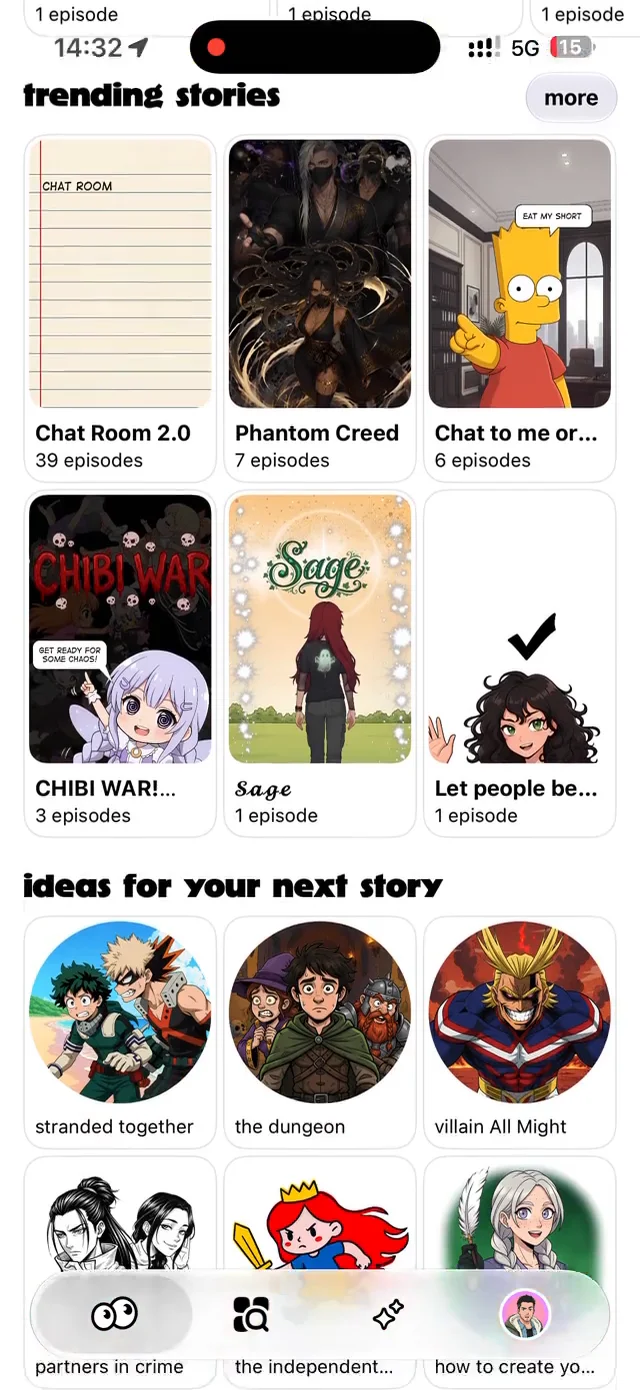
Toongether starts with a creative impulse: a character, a scene, an imagined world. With the team, I worked on a product that helps people develop that idea into a vertical illustrated story, even if they cannot draw. Creation, publication and reading belong to the same journey.
The question
A storyteller needs more than an image. They need to give an idea a form, build a recognisable cast, find the rhythm of a scene and carry that story into the next episode. How can the product support that progression while leaving the author in control?
Design decisions
01 — Start from the story someone wants to tell.
With the team, I approached the journey through the author’s intentions: imagine a world, introduce a character, stage an action, write a dialogue, reveal what happens next. These intentions give generation and editing a purpose, and help us decide which tools should appear at each step.
02 — Make a visual world reusable.
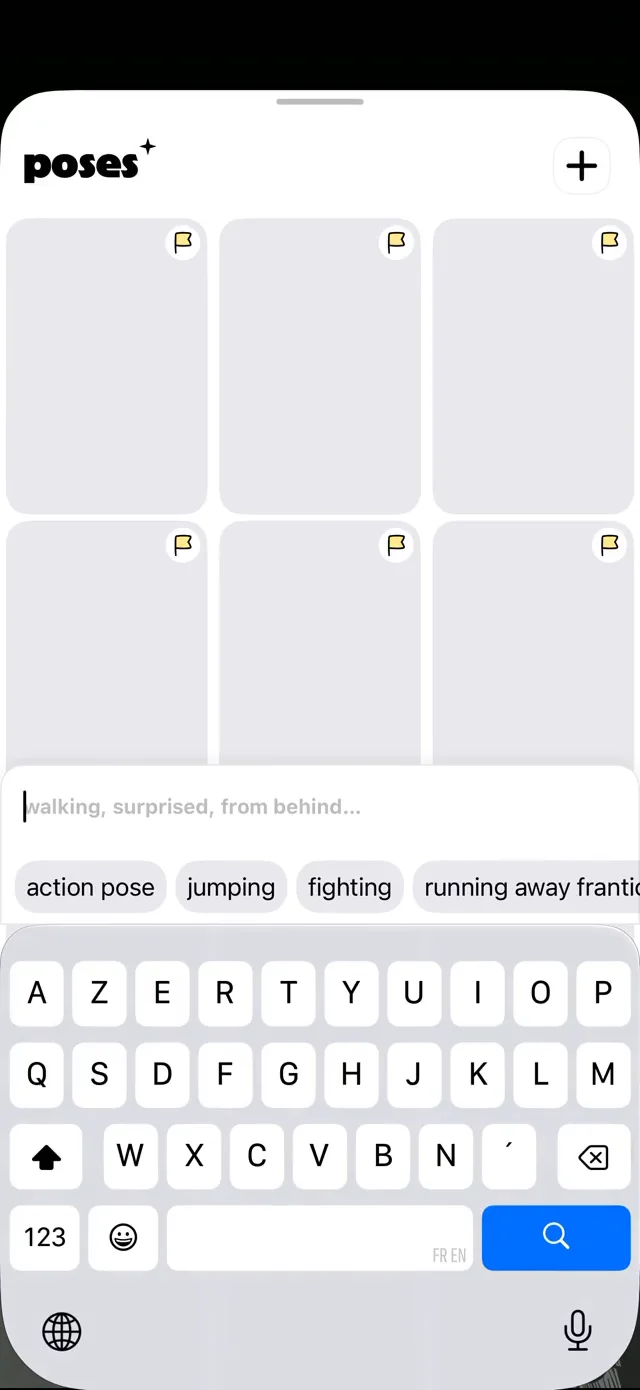
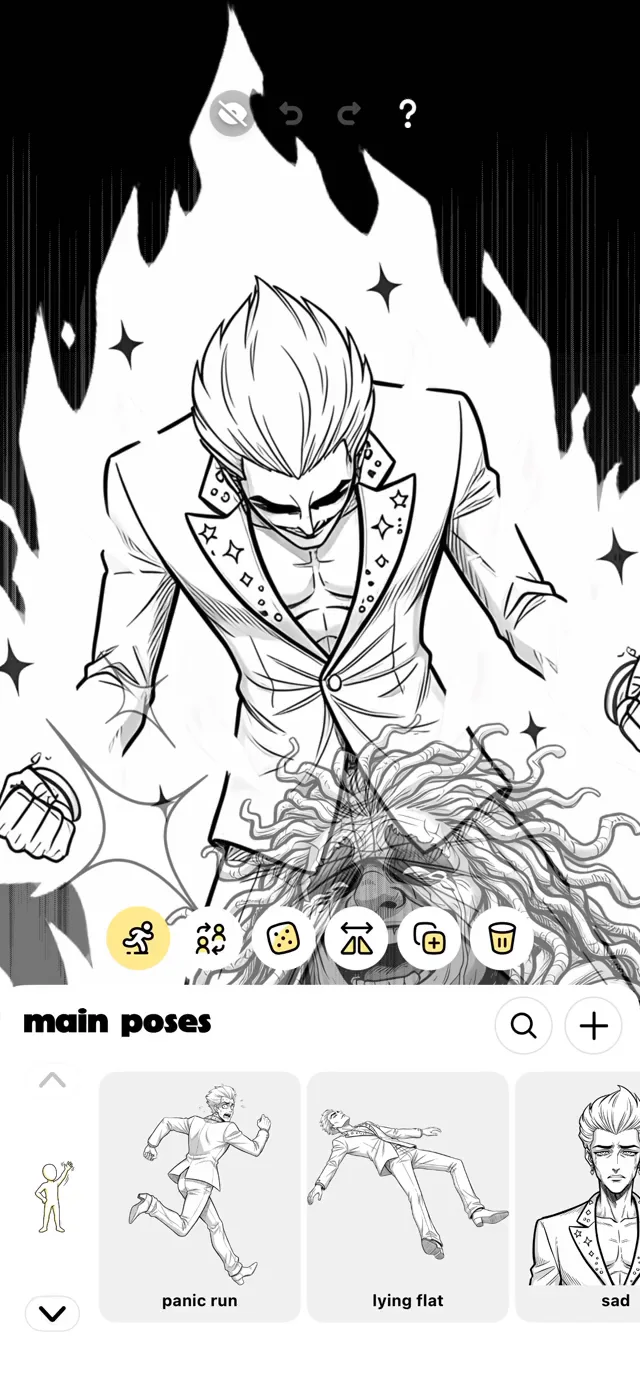
A recurring character needs to remain recognisable across scenes. I worked on the ways people create and reuse characters, change their poses, expressions and framing, and combine them with settings and objects. Consistency makes it possible to develop a narrative instead of starting over with every image.
03 — Let composition carry the narrative.
Panels, dialogue, framing and effects shape pace and attention. With engineers, I worked on selection states, contextual tools, layers and the scope of an edit: an element, a panel or the story. The editor needs to offer expressive control while keeping the consequences of each action understandable.
04 — Connect creation to an audience.
Publishing an episode changes the relationship to the work: someone else can discover it, read it and react. With the team, I also worked on profiles, episodes, genres and editorial discovery to connect the creator’s progression with the reader’s experience.
05 — Keep the product stable as the models change.
We organised the experience around enduring intentions — create, select, transform, compose, publish — rather than a model’s temporary limitations. This gives the design system room to absorb new capabilities while keeping a familiar path for creators.
How I would assess the value
Retrospective measurement ideas, not reported results.
- Value to keep in focus
- Creators who turn an idea into a published episode that is read.
- Signals to investigate
- Progression from first character to first scene and publication; time to a first shareable scene; creators returning to continue a story; episode completion by readers.
- Trade-offs to watch
- Character consistency, generation latency and cost, and the control the author retains. More images generated does not necessarily mean a better story.
What I took from it
The meaningful moment is when someone recognises their own idea in a story they can share. With the team, that is the lens I bring to the editor, the generation tools and the reading experience.